

PCIT for Autism
Parent-Child Interaction Therapy for Children
on the Autism Spectrum
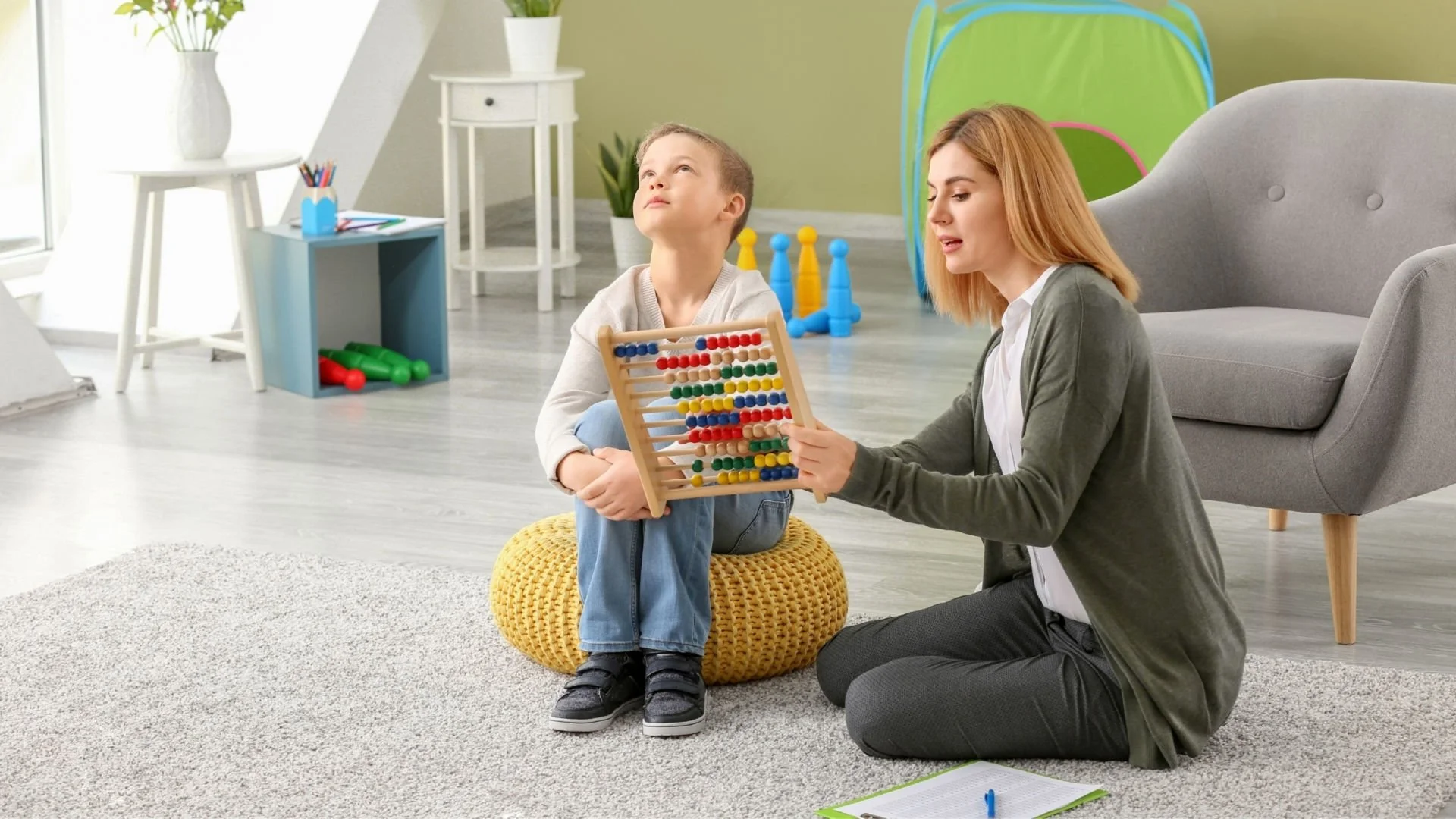
Parent-Child Interaction Therapy (PCIT) is an evidence-based treatment that can help children with autism strengthen connection with parents, improve behavior and cooperation, build social engagement, and reduce parenting stress. While PCIT does not change a child’s core neurodevelopmental profile, it gives parents practical, relationship-centered tools that can meaningfully improve daily family life and support a child’s emotional development.
Watch: How PCIT Helps Children on the Autism Spectrum

Can PCIT help
children with autism?
Yes. Research shows that PCIT can be very helpful for many children on the autism spectrum. A randomized controlled trial by Ginn, Clionsky, Eyberg et al. (2017) found significant improvements in child disruptive behavior, social awareness, and maternal distress following the CDI phase of PCIT, with gains maintained at six-week follow-up. A separate study by Ros-DeMarize et al. (2023) specifically examined internet-delivered PCIT for children with ASD and found meaningful improvements in both parent and child outcomes, supporting the effectiveness of the virtual format. Research shows that Parent-Child Interaction Therapy can be very helpful for many children on the autism spectrum and their families.
Families often experience improved behavior, stronger parent-child connection, increased social engagement, and meaningful reductions in parenting stress. Although research on PCIT and autism is newer than some other PCIT studies, the findings are consistently encouraging.
Why is PCIT especially helpful for families
of children on the autism spectrum?
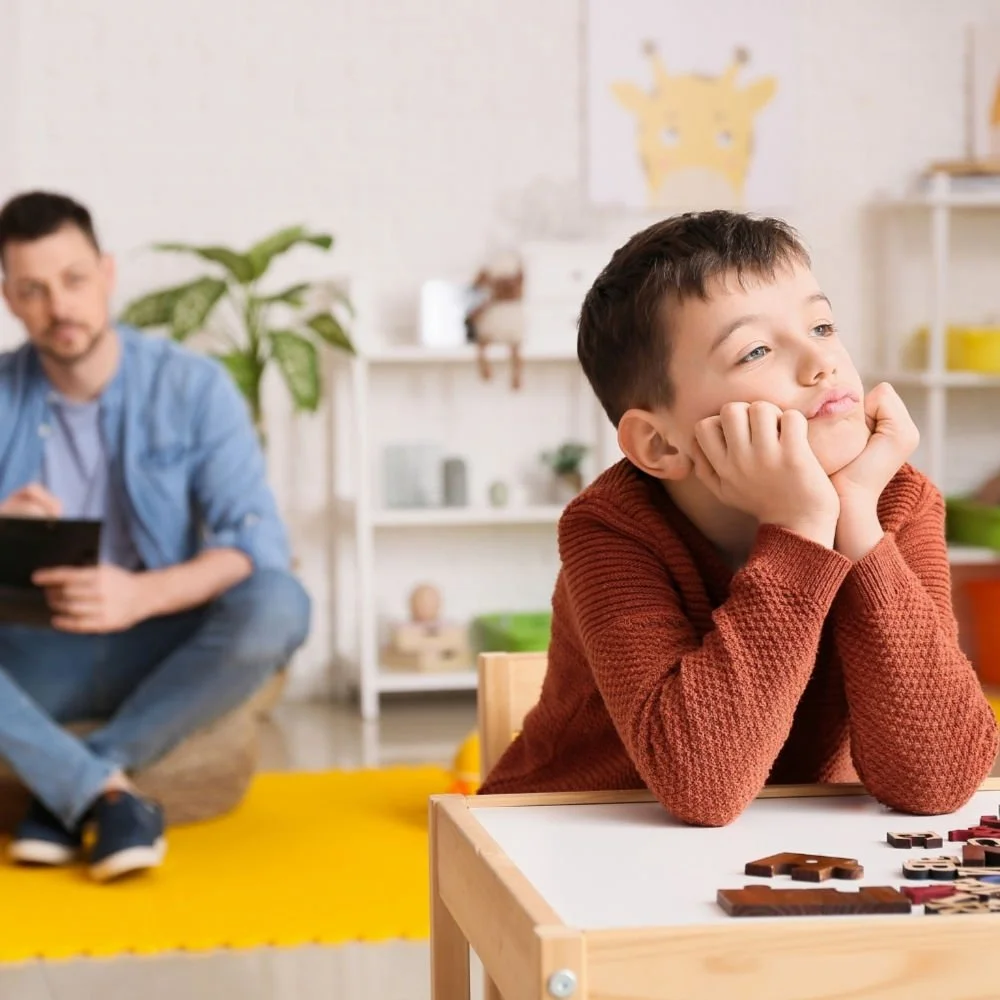
One of the most powerful aspects of PCIT is that it helps parents truly join their child’s world through play. Many parents deeply love their child but feel unsure how to connect when their child plays differently or prefers different interests. PCIT provides a clear roadmap for entering the child’s play in a respectful, engaging way that strengthens emotional connection and shared enjoyment.
How does PCIT support social and emotional development in autism?
Children on the autism spectrum often experience social rejection or fewer opportunities for successful peer interaction, which can be painful and isolating. PCIT helps parents create positive, affirming interaction experiences at home where children feel understood, valued, and successful. These repeated moments of connection can support emotional growth, confidence, and openness to relationships in other settings.
How does PCIT improve communication & cooperation?
PCIT teaches parents to give clear, concrete, direct instructions rather than vague or socially implied language. For example, asking “Can you put on your shoes?” may sound polite but can be confusing if the child interprets it as a literal question. PCIT helps parents communicate in ways that are easier for children on the spectrum to understand, reducing frustration and improving cooperation.
Does PCIT include discipline for children with autism?
PCIT is always tailored to the individual child.
For some children, especially those with PDA (pathological demand avoidance) or extreme demand sensitivity, the traditional discipline phase of PCIT may not be appropriate. In those cases, treatment focuses on connection, collaboration, and alternative support strategies rather than compliance-based discipline. This individualized approach ensures families receive care that truly fits their child.

What does PCIT not
change in autism?
PCIT does not change a child’s underlying neurodevelopmental identity, sensory profile, or natural ways of experiencing the world. Autism is not something that needs to be “fixed.”
Instead, PCIT focuses on strengthening relationships, improving communication, increasing safety, and helping families function more peacefully and confidently in everyday life.
How can PCIT support children in other therapies?
Research and clinical experience show that when children feel more securely connected to their parents, they are often more able to participate in other supportive services such as speech therapy, occupational therapy, or school-based interventions. PCIT can help parents better understand their child’s unique needs, allowing them to advocate more effectively and provide more tailored support across settings.
Is PCIT a good fit for every autistic child?
PCIT is especially helpful when families want:
stronger emotional connection
clearer communication at home
support with behavior or cooperation
practical, relationship-centered parenting tools
evidence-based guidance that respects neurodiversity
Because PCIT is individualized, treatment is adapted to match each child’s developmental profile, sensory needs, and emotional experience.
Looking for PCIT for autism?
At PCIT Experts, we specialize in evidence-based PCIT delivered by highly trained clinicians, including therapists with advanced certification and national telehealth availability. If you are wondering whether PCIT could support your child on the autism spectrum, you are welcome to schedule a consultation to explore the right next step for your family.
Frequently Asked Questions
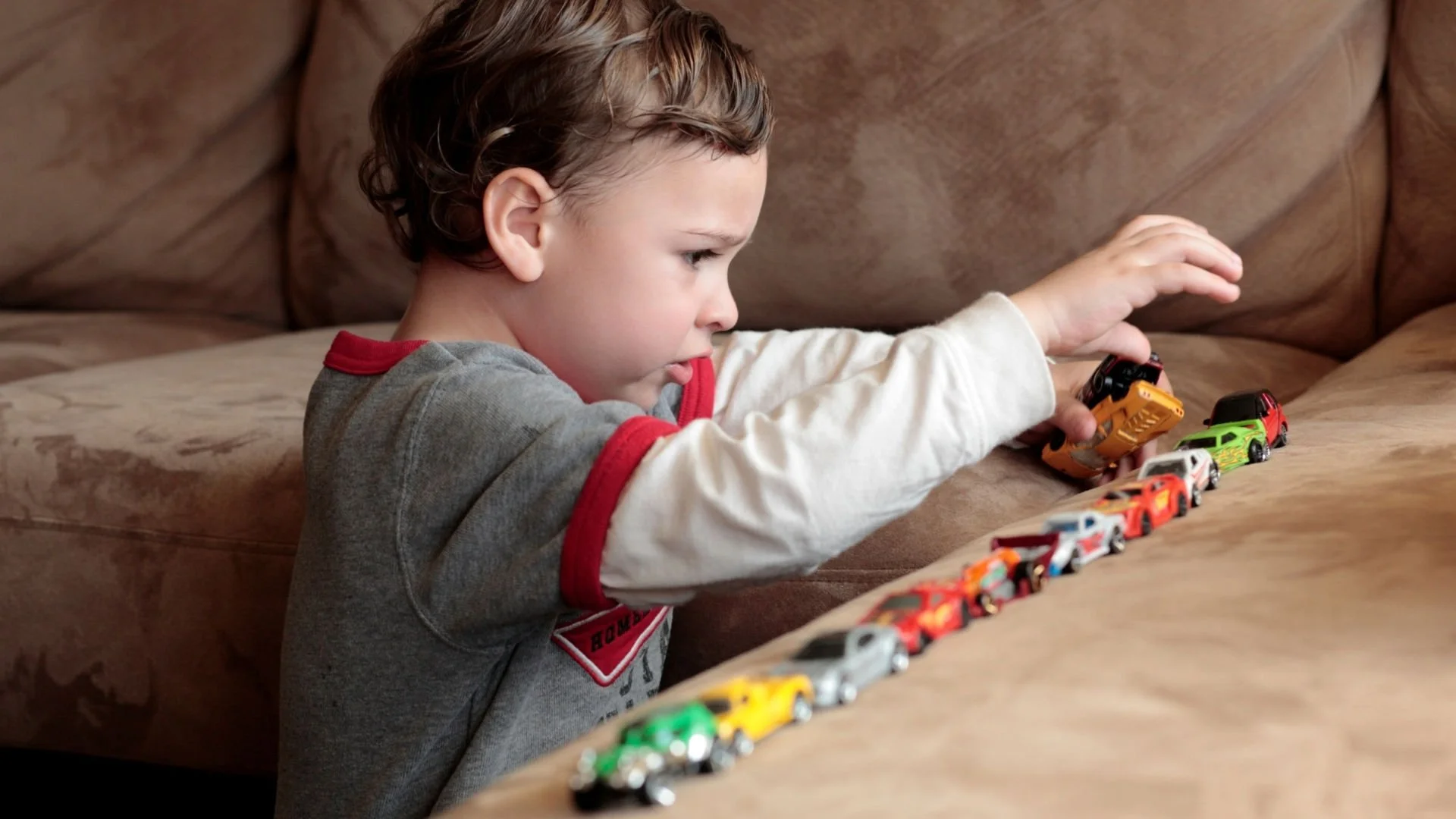
About PCIT for Autism
Does PCIT work for autistic children?
Yes. Research and clinical experience show PCIT can improve behavior, connection, communication, and parenting stress for many families of children on the autism spectrum.
Is PCIT neurodiversity-affirming?
Yes. PCIT focuses on strengthening relationships, communication, and safety rather than trying to change a child’s identity or personality.
Is PCIT similar to ABA?
PCIT is different from intensive behavioral therapy. It is relationship-based, parent-led, and typically involves one weekly session rather than many hours per week of therapy.
What age is PCIT for autism?
PCIT is most commonly used with young children ages 2 to 7, though adaptations may extend beyond this range depending on developmental level.
Can PCIT be combined with speech or occupational therapy?
Yes. PCIT often complements other therapies and may help children participate more comfortably in those services.
-
Full Video Transcript: PCIT for Autism
Leah (00:01.346)
Will PCIT help a child who has an autism diagnosis? And the answer is that yes, it can be very helpful for kids who have an autism diagnosis. And really there's a lot of research looking at PCIT for kids on the autism spectrum. And what we see is improved behavior, improved connections with parents, reduced parenting stress.
…..and just stronger social skills overall. Now, the research for PCIT and autism is on the newer side, and I guess by newer, I'm telling you since 2009, which for PCIT is kind of new. I did the first randomized controlled trial looking at the first phase of PCIT for kids with autism as my graduate school dissertation.
And right now we have a therapist in the clinic who does PCIT for autism research literally all day as her day job and then works in the clinic at other times. So we have a really strong foundation. And the thing that I find to be most helpful for parents of kids with autism is that PCIT allows you to really join your child and grow your relationship through play.
And what parents will often say to me is, love my child so much, but I don't know how to really get into their play. I feel like they don't enjoy the same things that I enjoy. They're playing very differently than I'm playing. How do I get in there and connect? PCIT gives you a roadmap for how to get in there and really, really connect with your child through their own interests in a way that really improves your bond with them.
It's also a good way of being able to give your child positive feedback for the things that you appreciate about them. Often kids on the spectrum get very little play time with neurotypical peers because those kids don't know how to join their play either.
Leah (02:10.036)
So they get a lot of social rejection, which is very, very, very painful. And they don't get to hear about how wonderful they are and also about all of the wonderful things that they do in their play. Even if it's not your typical neuro-typical play, even if their play is different, they're still doing lots of wonderful things within their play. And so this way lets you get in there and really truly connect.
and also give them exposure to other ways of playing and playing with other people, which is a really important skill. So it helps with a lot of connection. It also helps you learn how to give directions in a way that is not vague. Often we say to kids things like,
Can you put on your shoes? And we really mean I need you to put on your shoes. But there's like a social nuance there that kids on the autism spectrum might not understand because it's not concrete. We're asking them a question and the answer to that question is no. But they don't understand that we actually are telling them to do it and they might agree to do it if they knew that we really needed that from them. So it helps really improve our communication.
by being a lot more direct and also not waiting for them to guess how urgently something needs to happen by how frustrated we look. And that's often how we expect our kids to figure out whether or not they should listen to us. How mad does mom look right now? A kid with an autism diagnosis might have a harder time figuring that out. So it really helps you connect more deeply.
understand what your child is able to do and be able to give clearer instructions. I'm going to give you a huge caveat. We don't like to do the discipline phase of PCIT for kids who are PDA, so pervasive demand avoidance. And this is a very small subtype of kids, usually on the autism spectrum, who feel so overwhelmed by demands that they have a true fight or flight reaction
Leah (04:19.18)
And that makes the second phase not great for them. So if your child is that way, then we do the first phase that helps you connect. We don't do the second phase. And instead, we work on other ways of working together and helping them get their needs met, helping you get your needs met. We'll refer you to one of the clinicians in the practice who has a lot of PDA training.
So we won't give you the part of the treatment that will not work for your specific child. And it's not one size fits all. There's no cookie cutter approach to treatment. So one thing we do at PCIT experts is we're constantly tailoring. But the clients of ours who've come in with a child on the autism spectrum have really enjoyed PCIT. And you can tell that the kids have really enjoyed it as well. And it has made them stronger as a family unit.
Starting PCIT
is so easy!
Step 1
Schedule your Free 15-Minute Matching Call with our Client Service Specialist.
Find your expert with our compassionate Intake Specialist, Tim Durbin. Choose the time that works best for you and secure your spot on Tim’s calendar today or tomorrow! Then, complete the Matching Form so that we understand your unique needs.

Step 2
Our Client Services Specialist will call you at your scheduled time to answer all of your questions.
Use your free 15-minute matching call to talk about your concerns and get matched with the best-fit PCIT Expert for your family!

Step 3
You won’t have to wait! We’ll get you scheduled for the soonest available appointment, usually within 1-2 weeks!
There will be a few forms on our client portal to complete before your virtual intake session, where you will meet with your exceptional Expert and begin your PCIT journey!

Written by Dr. Leah Clionsky, Ph.D.
Dr. Leah Clionsky is a licensed clinical psychologist, Level II Regional PCIT Trainer in Texas, and founder of PCIT Experts. She trained under Dr. Sheila Eyberg, the psychologist who developed PCIT, and led the first randomized controlled trial of PCIT for children with autism. She has guided hundreds of families through PCIT across research, clinical, and private practice settings.